Turning IDEAS into Impact
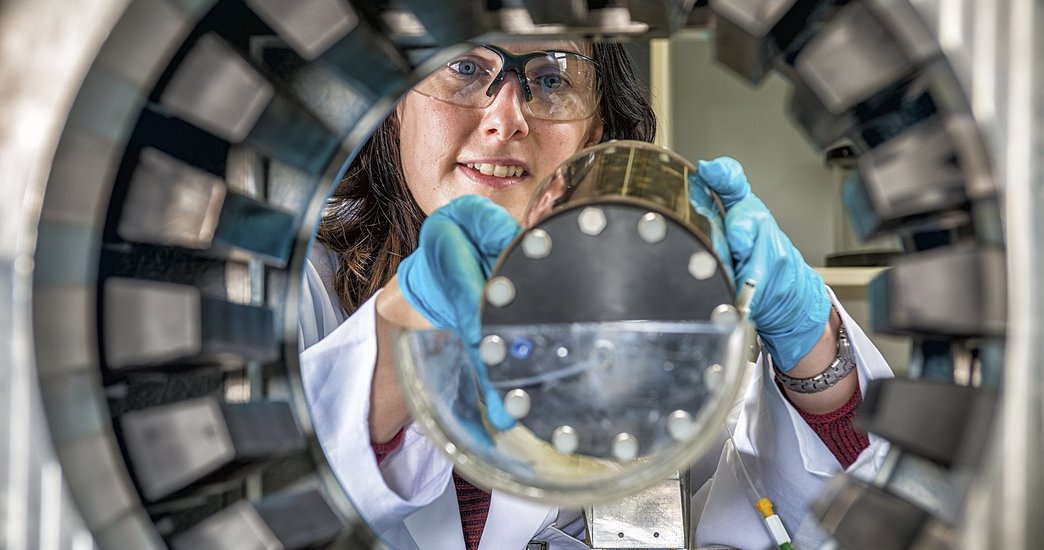
With IDEAS, a new HIDS School is launching. It brings together data-driven methods with expertise from the environmental, life, and health sciences and creates space for interdisciplinary doctoral research.

Large, heterogeneous datasets and the high levels of uncertainty they entail characterize many research questions in the environmental and life sciences. With IDEAS - the Helmholtz School for Integrated Data Science in Environmental & Life Sciences - a new HIDA research school is launching that directly addresses these challenges.
IDEAS is jointly run by the Helmholtz Centre for Environmental Research (UFZ) and the Helmholtz-Zentrum Dresden-Rossendorf (HZDR). Together with Leipzig University and the Dresden University of Technology, it creates interdisciplinary research spaces addressing societally relevant questions – ranging from climate and environmental issues to health and life sciences.
A particular focus lies on integrating data-driven approaches with physically and biologically grounded models, working with unstructured data, and developing robust and interpretable AI methods.
At a time when we are generating enormous amounts of data while simultaneously facing global crises, we need exactly these bridge builders
Sandra Hille, Coordinator of IDEAS at UFZ
At IDEAS - as at the other HIDS-Schools - doctoral researchers complete a structured doctoral program. The interdisciplinary Y-supervision model deliberately brings together data science and domain expertise, fostering diversity of perspectives from the very beginning.
“When someone said during the evaluation, This sounds like a great school - I can imagine it will be really successful, it was clear to me: IDEAS will become reality,” recalls Sandra Hille, coordinator of the research school at UFZ.
“At a time when we are generating enormous amounts of data while simultaneously facing global crises, we need exactly these bridge builders,” Hille continues. “People who combine data science with domain knowledge and develop concrete solutions using new methods – in research, in application, and with an eye toward societal decision-making.”
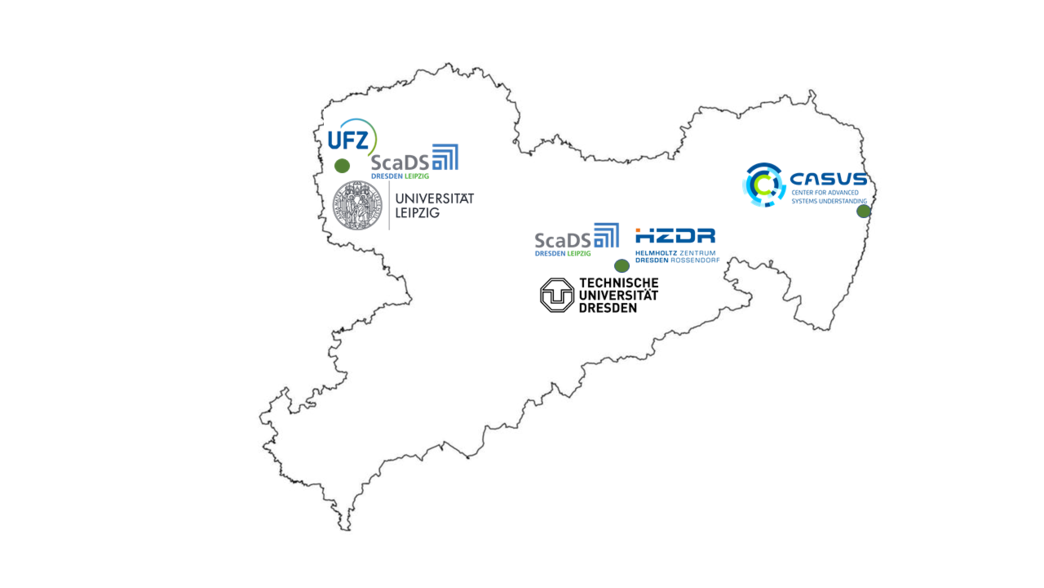
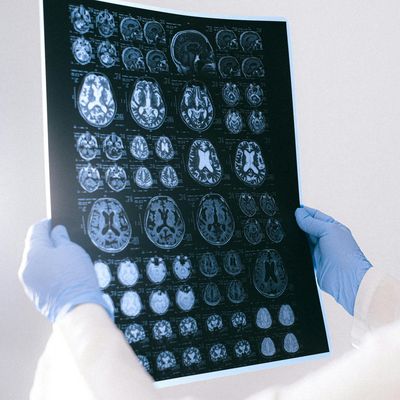
The first IDEAS cohort launches with eight doctoral projects. They address key societal challenges - ranging from the impacts of climate change and environmental pollution to biodiversity, text, and citizen-science analyses, as well as explainable and trustworthy AI approaches in toxicology and medical image analysis. The program language is English, and the locations are Leipzig and Dresden.
Sandra Hille looks ahead with great anticipation: “I am especially looking forward to the doctoral researchers. They are the ones who will bring the school to life – through joint seminars, courses, hackathons, and retreats.”
Further information about IDEAS and the application process can be found on the IDEAS website.