
The HIDA Lecture Series on AI explores the significance of Artificial Intelligence across a range of impact areas.
The lecture series focuses on the impact of AI and machine learning on scientific practice and societal processes.
The speakers are highly qualified researchers from the Helmholtz Association and its partner institutions. They present their work and offer insights into the wide range of topics currently shaping AI research.
Our lectures take place monthly, each dedicated to a different topic. Participation is free of charge.
On this page, you will find an overview of upcoming events as well as a collection of past lectures, which can be viewed again at any time.
Upcoming Lectures
From Transparency to Reliability: Using AI Responsibly in Science
Speaker: Charles Rathkopf, Forschungszentrum Jülich
Date: 22.04.2026, 10:00 am
Learn more!
The EU AI Act in Practice: How is the Implementation Going?
Speaker: Kilian Vieth-Ditlmann, AlgorithmWatch
Date: 28.05.2026, 12:00 pm
Learn more!
Agentic AI: Enabling Safe and Productive Autonomous AI Systems with Coders and Claws
Speaker: Jan Ebert, NVIDIA
Date: 16.06.2026, 11:00 am
Learn more!
Sharing AI research. Sharing knowledge.
Researchers are cordially invited to present their work and perspectives in a free online lecture.
If you are interested, please submit a short abstract of your proposed talk to Viktoria Schwarze.
Past Lectures
For several years, HIDA has been hosting monthly lectures on Artificial Intelligence, Machine Learning, and Data Science.
Most lectures have been recorded and are available on our YouTube channel.
We have also curated past lectures by topic to help you quickly and easily find the lecture that interests you.

AI & Ethics
AI & Ethics
AI is fundamentally transforming our everyday lives - and putting our ethical understanding to the test.
Where do we draw the line? Who controls AI? And do we even want that?
These lectures explore the complex ethical questions surrounding Artificial Intelligence.
Watch now!
The Ethics of AI: Foundations of Applied Ethics and Emerging Risks from AI Development
Ethical Considerations on Hate Speech and AI
Contextualizing LLMs – What are the Social and Ethical Implications?
Fostering Research Integrity in an AI-Driven World
Ally or Adversary: Examining the Impact of Large Language Models on Academics and Academic Work

AI & Health
AI & Health
How can AI and machine learning be meaningfully applied in health research and healthcare?
These lectures explore the opportunities, potential, and challenges of Artificial Intelligence in medicine.
Squiggles to the Rescue: How AI can Support our Understanding of Resistant Bugs
Machine Learning for Precision Medicine: Avenues and Roadblocks
Large-Scale Brain Decoding - Taking Advantage of Physiological Diversity
FAIR clinical IT-infrastructure for the virtual human twin
Towards AI-Based Precision Neurology
Synergies between mechanistic and data-driven models in medical research

AI & Technology
AI & Technology
Everyone is talking about AI - but what is actually behind it?
How do large language models such as ChatGPT and neural networks work? And how trustworthy are AI systems really?
These lectures shed light on the technological foundations, mechanisms, and risks of Artificial Intelligence.
When AI Performance Misleads: From Success in Papers to Failure in Practice
A Short Introduction to Efficient Natural Language Processing
TrustLLM - Towards Trustworthy and Factual Language Models
ChatGPT's Backgrounds: Exploring the World of Large Language Models
ChatGPT in Action: Enhancing Your Workflow
Challenges and Threats in Generative AI: Exploits and Misuse
Selection of speakers
Our lecture series features leading experts in data science and Artificial Intelligence from academia and industry. They share insights into current developments and their implications for science, society, and technology.
Here you will find a selection of previous speakers
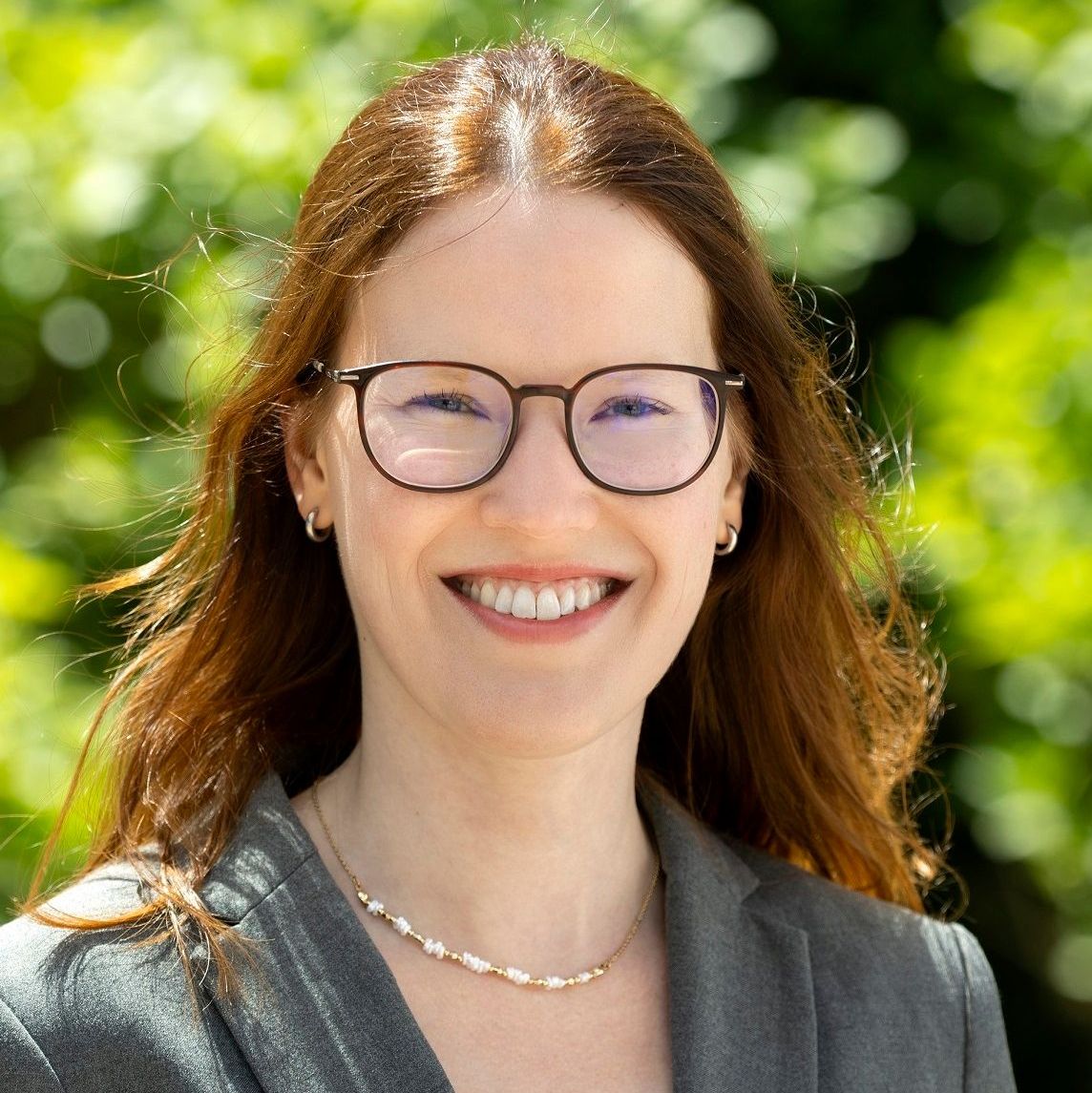
Annika Reinke/DKFZ
Annika Reinke
Dr. Annika Reinke earned her PhD degree in 2023, focusing on eliminating flaws in biomedical image analysis validation. She continues her work as a postdoctoral researcher and deputy head by addressing underrepresented societally relevant topics, particularly scientific benchmarking and validation.
Leading the “Validation of Intelligent Systems” group at the German Cancer Research Center, Dr. Reinke aims to enhance the quality of validation pipelines for biomedical AI algorithms. She holds influential positions in various international groups, including the secretary of the MICCAI Special Interest Group on biomedical challenges and the chair of the MONAI Working Group on Evaluation and Benchmarking.
She gave a lecture titled “When AI Performance Misleads: From Success in Papers to Failure in Practice.”
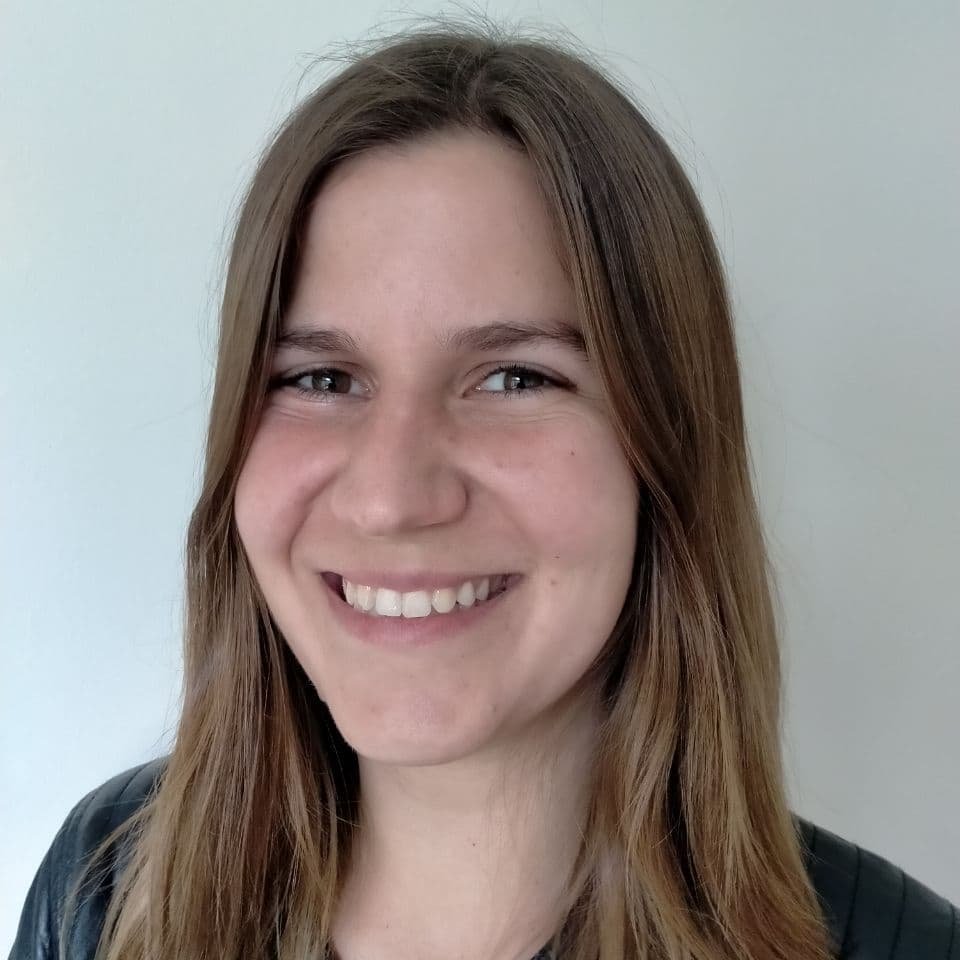
Lara Urban/University of Zurich
Lara Urban
Lara Urban is a statistical geneticist and ecologist with a PhD in computational genomics from the University of Cambridge and the European Bioinformatics Institute (EMBL-EBI) and independent research experience with the national Department of Conservation as a Humboldt Fellow in New Zealand.
Since 2022, she has led her own research group, now on the professorship track at the University of Zurich and its Food Safety and One Health Institutes and as invited member of the One Health Advisory Council of the German Federal Ministry for Economic Cooperation and Development, and previously as Helmholtz Principal Investigator at the Helmholtz AI Institute with a faculty position at the Technical University of Munich. Lara Urban was named the Young Scientist of the Year by the German Association of University Professors in 2023.
She gave a lecture titled “ Squiggles to the Rescue: How AI can Support our Understanding of Resistant Bugs".

Simon Ostermann/DFKI
Simon Ostermann
Simon Ostermann is a computational linguist and Senior Researcher at the German Research Center for Artificial Intelligence (DFKI), where he leads a research group on Efficient and Explainable Natural Language Processing in the lab for Multilinguality and Language Technology.
His research interests are on trying to improve the accessibility of Large Language Models (LLMs) in several aspects. First, by making the parameters and behaviour or LLMs more explainable and understandable to both end users and researchers, second, by improving language models in terms of their data consumption and size.
He gave a lecture titled “A Short Introduction to Efficient Natural Language Processing.”

Blake Richards/MILA
Blake Richards
Blake Richards is an Associate Professor at McGill University and a member of Mila – Quebec Artificial Intelligence Institute.
His research lies at the intersection of neuroscience and artificial intelligence. He has received multiple awards for his work, including the NSERC Arthur B. McDonald Fellowship in 2022. From 2011 to 2013, he was a Banting Postdoctoral Fellow at SickKids Hospital.
He gave a lecture titled “Large-Scale Brain Decoding – Taking Advantage of Physiological Diversity.”
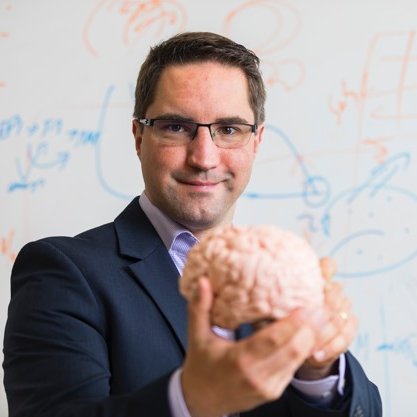
Simon Eickoff/FZJ
Simon Eickoff
Simon Eickhoff is Professor and Chair of the Institute of Systems Neuroscience at the Heinrich Heine University Düsseldorf and Director of the Institut für Neurowissenschaften und Medizin: Gehirn und Verhalten (INM-7) at Forschungszentrum Jülich.
Working at the intersection of neuroanatomy, data science, and brain medicine, his research aims to achieve a more detailed understanding of the organization of the human brain and its interindividual variability. The goal is to better understand changes across the lifespan as well as neurological and psychiatric disorders.
To this end, he develops and applies innovative tools for large-scale, multimodal analyses of brain structure, function, and connectivity, as well as machine learning methods to predict individual cognitive and socio-affective traits and to advance applications in precision medicine.
He gave a lecture titled “Machine Learning for Precision Medicine: Avenues and Roadblocks.”
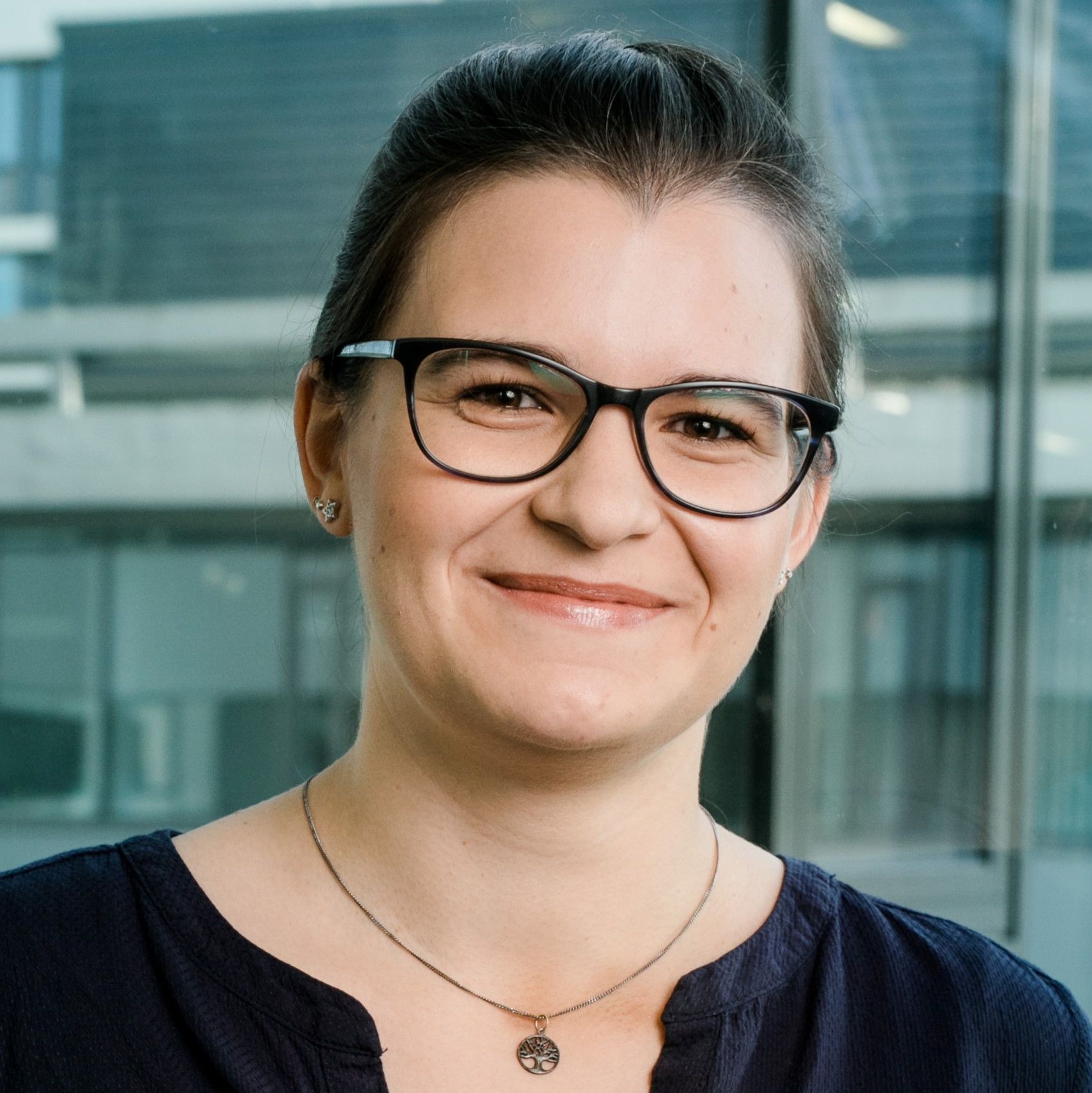
Lea Schönherr/CISPA
Lea Schönherr
Lea Schönherr is a tenure-track faculty member at the CISPA Helmholtz-Zentrum für Informationssicherheit. Her research focuses on information security, with an emphasis on adversarial machine learning.
She received her PhD in 2021 from Ruhr University Bochum, where she was supervised by Professor Dr.-Ing. Dorothea Kolossa in the Cognitive Signal Processing Group. She was awarded two fellowships from UbiCrypt (DFG Research Training Group) and CASA (DFG Cluster of Excellence).
She gave a lecture titled “Challenges and Threats in Generative AI: Exploits and Misuse.”
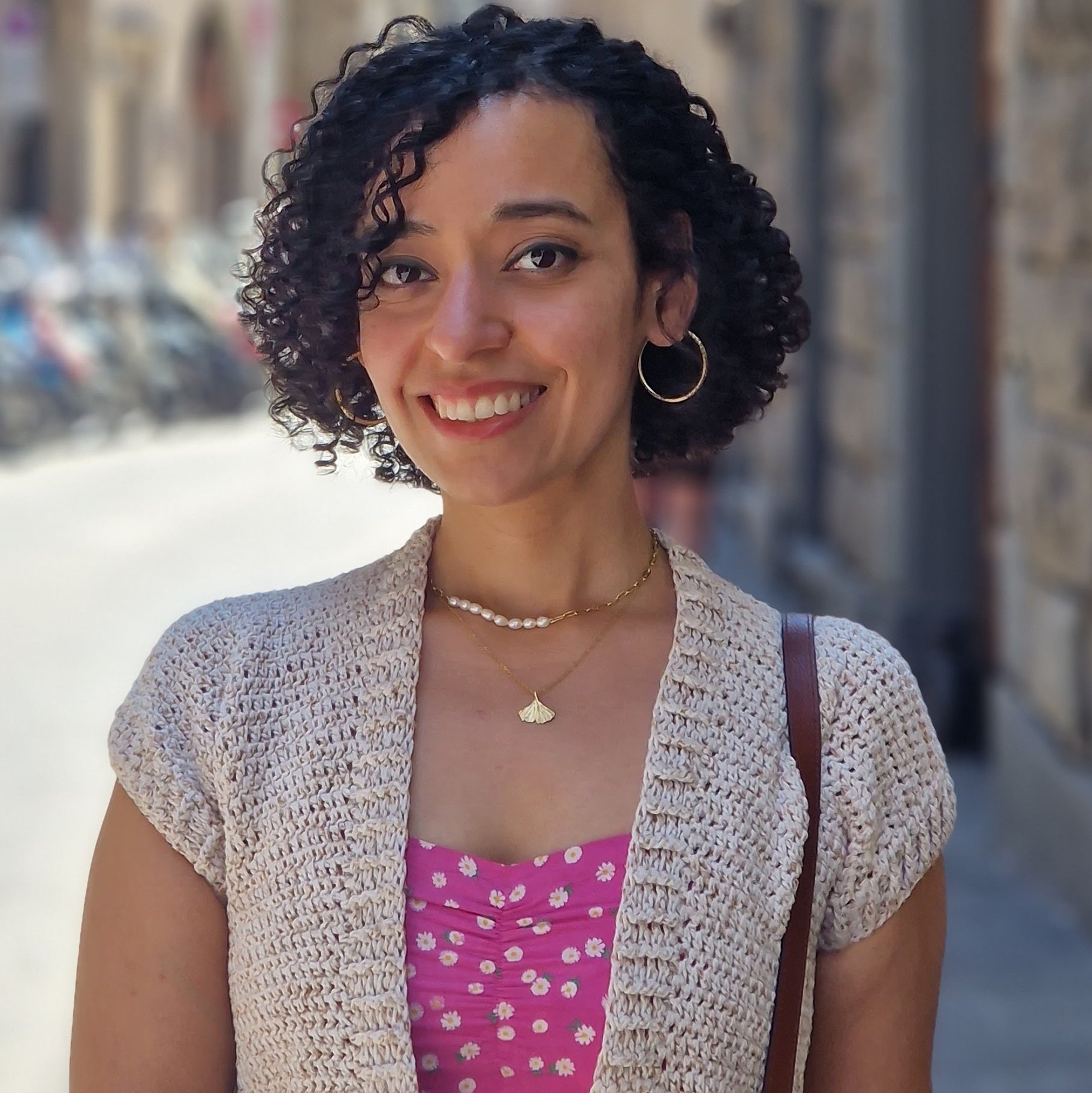
Sahar Abdelnabi/ELLIS
Sahar Abdelnabi
Sahar Abdelnabi leads the COMPASS research group at the ELLIS Institute Tübingen, the Max Planck Institute for Intelligent Systems, and the Tübingen AI Center.
Previously, she worked as an AI security researcher at Microsoft. She received her PhD from the CISPA Helmholtz Center for Information Security, where she was supervised by Professor Dr. Mario Fritz.
She gave a lecture titled “On New Security and Safety Challenges Posed by LLMs and How to Evaluate Them.”
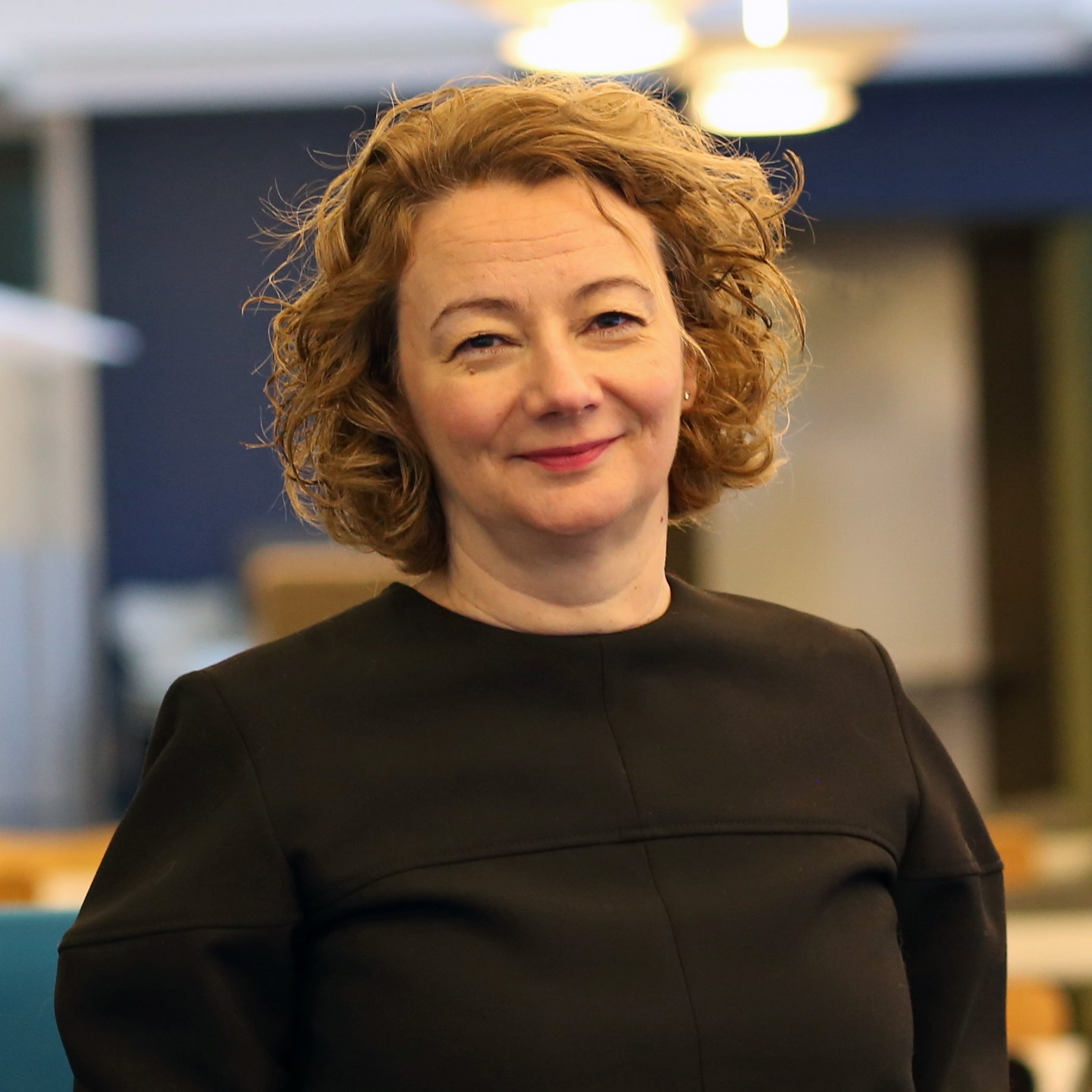
Anne Torill Nordsletta/Norwegian Center for E-health Research
Anne Torill Nordsletta
Anne Torill Nordsletta is Head of Department at the Norwegian Centre for E-Health Research. She played a key role in establishing the Centre’s Department of AI and Health Analytics as well as a national network for AI in the Norwegian healthcare system (KIN).
She gave a lecture titled “Clinical Large Language Models in Healthcare – Applications, Challenges, and Opportunities.”
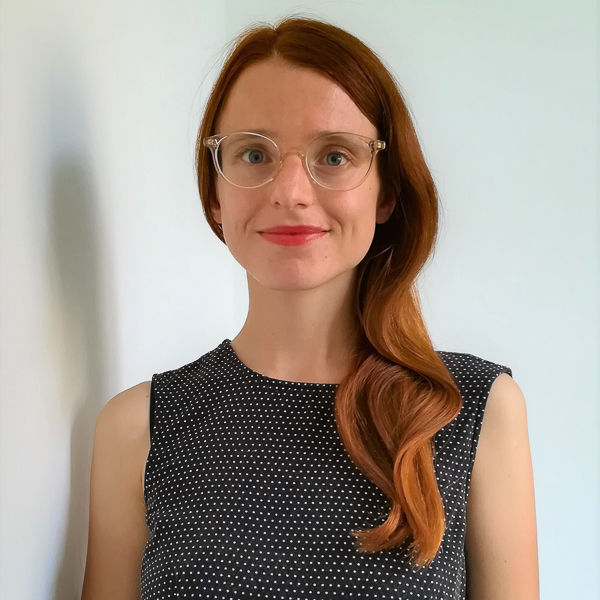
Katrin Frisch/Ombuds Committee for Research Integrity
Katrin Frisch
Katrin Frisch has been working as a researcher at the Ombuds Committee for Research Integrity in Germany since May 2020, specifically at the project "Discussion Hubs to Foster Research Integrity".
She gave a lecture titled “Fostering Research Integrity in an AI-Driven World"
Don’t miss any lectures!
Stay up to date with the HIDA Update — featuring exciting articles, event highlights, job opportunities, and calls for applications delivered straight to your inbox. Register now!